22 New Entries Added to Finland’s National Inventory of Living Heritage
For the fourth time, the Ministry of Education and Culture has a inscribed new entries to the National Inventory of Living Heritage based on a proposal prepared by the Finnish Heritage Agency. The nominations originate from the communities that actively practice and safeguard these traditions. Finland’s National Inventory, established under UNESCO’s Convention for the Safeguarding of the Intangible Cultural Heritage, now contains a total of 108 entries.
An open call for communities was organized between February and March (28 January–16 March 2026), and the Finnish Heritage Agency received 30 applications. These applications represented 111 different applicant organizations and communities.
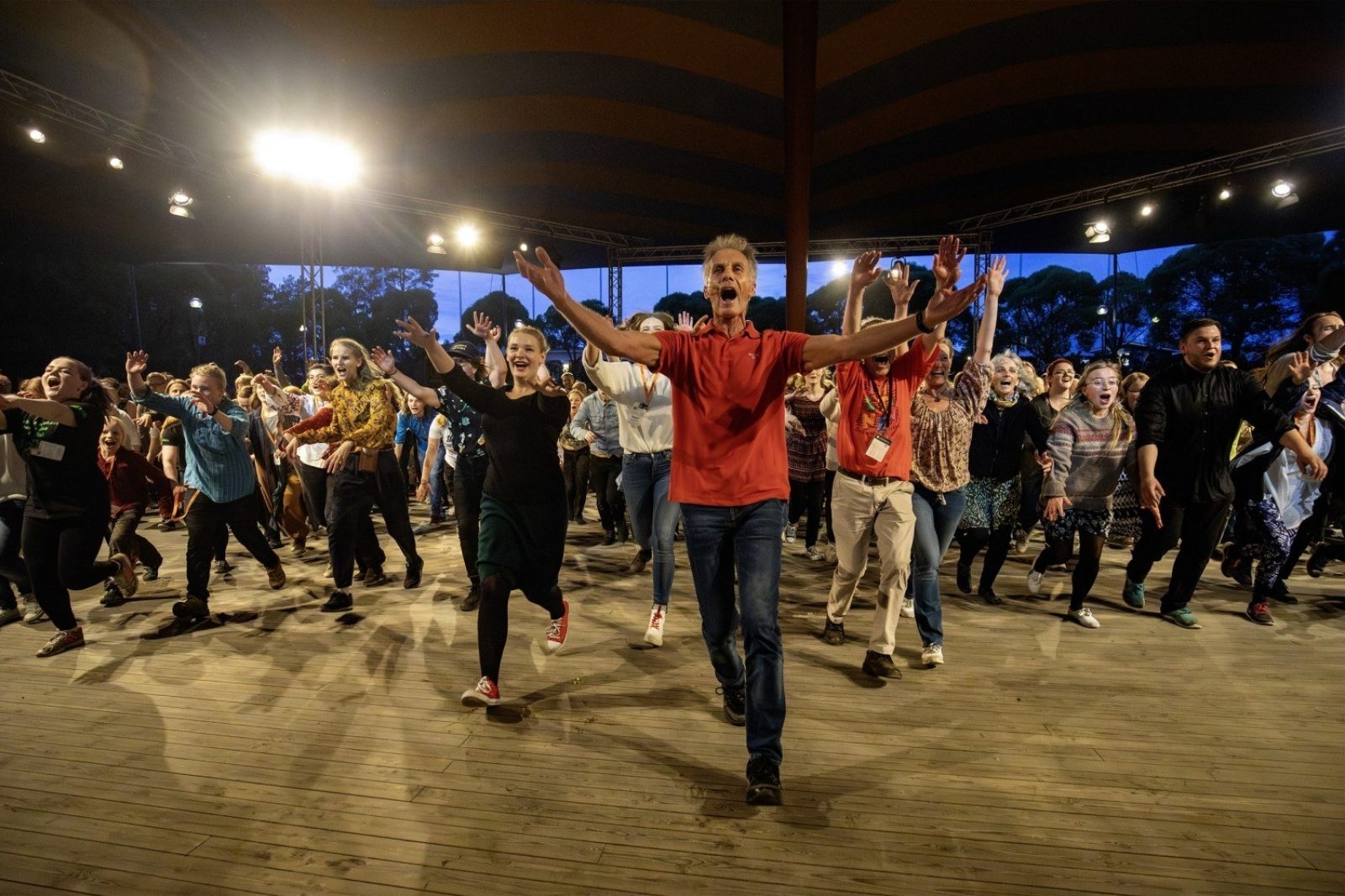
The largest number of applications concerned craft traditions. Newly inscribed elements include felting, spinning, the making and wearing of the jussipaita shirt, and the making of historical costumes. New nature-related entries include tour skating and traditional sauna practices. In the field of performing arts, additions include summer theatre, the auction quadrille (huutokatrilli), and Karelian folk dance.
This round of nominations has further strengthened the visibility of minority traditions in the inventory. Karelian sarafan dress traditions and costume-making, the celebration of Japanese Hanami, and the Indian festival Durga Puja in Finland have all been inscribed to the National Inventory, along with the teaching and use of Braille.
Tangible heritage-related traditions included in the inventory are the restoration and use of steam yachts and the touring rally tradition. Other newly added entries include the Karelian pie tradition, Karelian summer festivals, and role-playing culture.
Finland as a Pioneer
National inventories of intangible cultural heritage are maintained in all 185 States Parties to the UNESCO Convention.
"Finland has received particular recognition for its participatory inventorying process based on a wiki platform. Proposals for the national inventories come directly from the communities that practice and maintain the traditions," says Leena Marsio, Senior Advisor at the Finnish Heritage Agency.
Before being nominated to the National Inventory, traditions must first be included in the Wiki-inventory of Living Heritage, which broadly presents Finland’s intangible cultural heritage. Communities can submit their own traditions to the Wiki Inventory, which already contains 280 articles contributed by more than 480 organizations and communities. It is one of the most extensive inventories of its kind in Europe.
"Finland is also praised for including numerous minority traditions in its inventories. One of the goals of the UNESCO Convention is to make cultural diversity visible," Marsio explains.
Applications to UNESCO Lists Currently Open
The National Inventory of Living Heritage is based on proposals prepared by the Finnish Heritage Agency, with support from the Advisory Group on Intangible Cultural Heritage. The proposals have also been assessed by experts and practitioners from various fields. Final decisions on inscriptions are made by the Ministry of Education and Culture. The National Inventory is expanded periodically, and this is the fourth update to date.
A call for nominations to UNESCO’s international Lists and Register of Intangible Cultural Heritage is also currently underway in Finland. Applications are open until 4 September 2026.
Proposal of the Finnish Heritage Agency