Aalto Architecture Becomes Finland’s Eighth UNESCO World Heritage Site
At its meeting in Busan, South Korea, on 26 July 2026, the UNESCO World Heritage Committee inscribed a serial nomination comprising 13 architectural sites designed by Alvar, Aino and Elissa Aalto on the World Heritage List. Completed between 1928 and 1988 in urban and rural locations across Finland, these sites demonstrate the local application of the global principles of the twentieth-century Modern Movement in response to a range of universal and societal needs. Aalto architecture is characterized by a human-centered approach in which buildings are designed as environments for human life and activity, and it is recognized as having had an international influence on the development of modern architecture. Finland already has seven UNESCO World Heritage properties, six cultural sites and one natural site.
World Heritage refers to cultural and natural heritage sites of outstanding value to all humanity that are protected through an international convention. The Finnish Heritage Agency is responsible for implementing the World Heritage Convention in Finland.
The sites included in the Aalto Works serial property, which has now been inscribed on the UNESCO World Heritage List, are:
- Paimio Sanatorium, 1929–33, Paimio
- The Aalto House, 1935–36, Helsinki
- Sunila Residential area, 1936–38, 1947, 1951–54, Kotka
- Villa Mairea, 1938–39, Pori
- Säynätsalo Town Hall, 1949–52, Jyväskylä
- University of Jyväskylä, Aalto campus, 1951–71, Jyväskylä
- Seinäjoki Civic Centre, 1951–87, Seinäjoki
- Muuratsalo Experimental House, 1952–54, Jyväskylä
- House of Culture, 1952–58, Helsinki
- National Pensions Institute (KELA), 1953–57, Helsinki
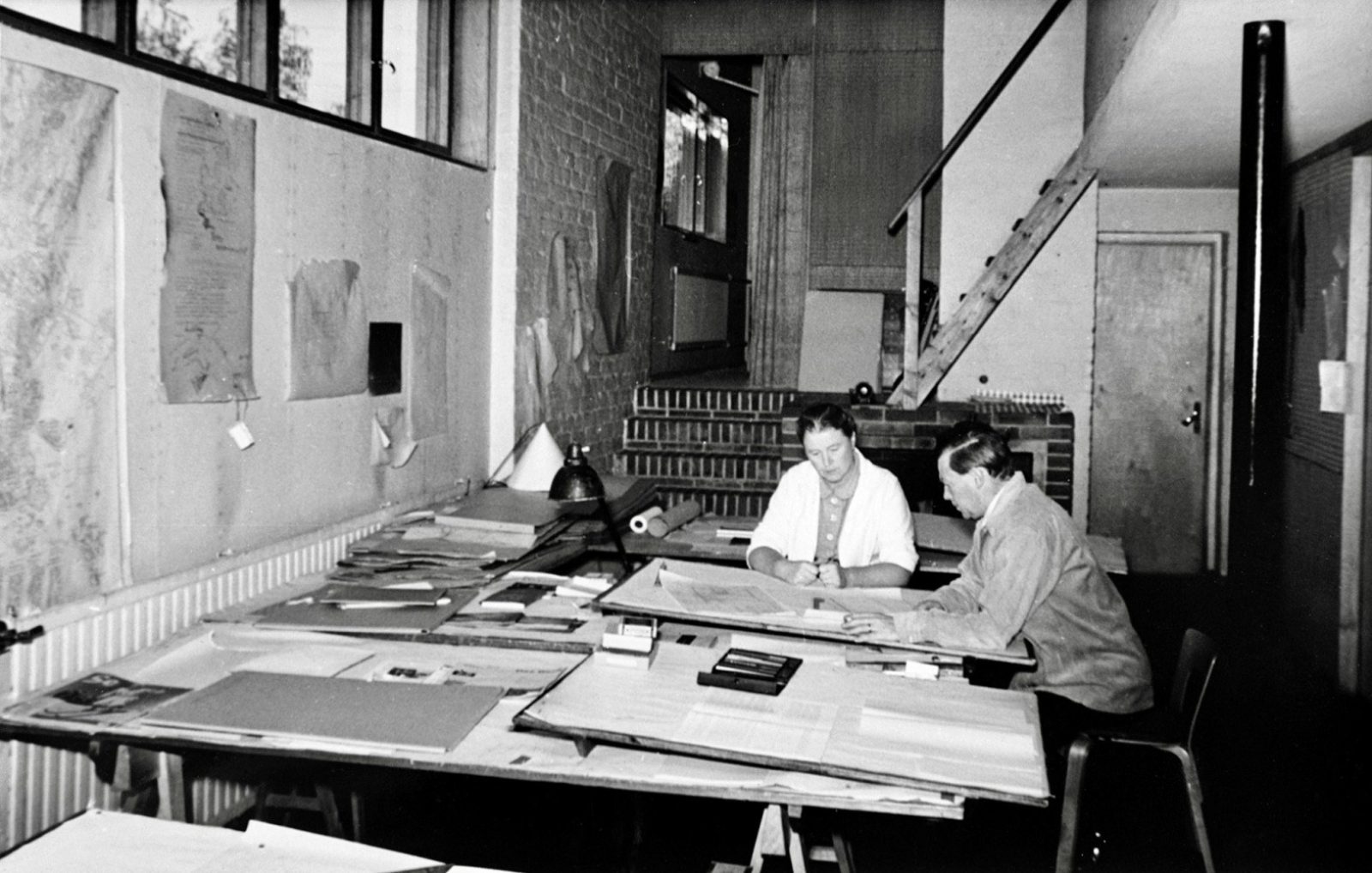
- Studio Aalto, 1954–55, 1962–63, Helsinki
- Church of Three Crosses, 1956–58, Imatra
- Finlandia Hall, 1962/1967–75, Helsinki
- World Heritage for Future Generations
Aalto architecture has now been recognized as cultural heritage of outstanding value to humanity, to be safeguarded for future generations.
When a property is inscribed on the World Heritage List, the State Party bears the primary responsibility for protecting its Outstanding Universal Value (OUV). This responsibility includes safeguarding the values for which the property was inscribed, maintaining its authenticity and integrity, and preventing deterioration, damage, threats and inappropriate development that could compromise its Outstanding Universal Value.
To meet these obligations, the State Party must ensure adequate legal and administrative protection, provide appropriate administrative, technical and financial measures to support conservation and management, and maintain an effective management system or management plan to secure the property’s Outstanding Universal Value in the long term.
In addition, Finland, as the State Party, is responsible for raising public awareness of the values embodied in the property and promoting their transmission to future generations through education and sustainable stewardship.
The Result of Broad Collaboration
The Finnish Heritage Agency prepared the Aalto Works nomination for UNESCO in cooperation with the Alvar Aalto Foundation, national and international World Heritage experts, and the stakeholders, owners and users associated with the serial property. Finland’s intention to nominate the Aalto serial property for inscription on the World Heritage List was approved in 2021, and preparation of the nomination dossier began in 2022. The Finnish Heritage Agency submitted the nomination to the Ministry of Education and Culture in early 2025, which then forwarded it to the UNESCO World Heritage Committee.
In its evaluation published in June 2026, ICOMOS, the advisory body to the World Heritage Committee, recommended the inscription of the property on the World Heritage List.
The Convention Concerning the Protection of the World Cultural and Natural Heritage is an international treaty adopted by UNESCO in 1972 and ratified by Finland in 1987. Its fundamental objective is to ensure that the world’s cultural and natural heritage is preserved for future generations. In Finland, the Convention falls under the responsibility of the Ministry of Education and Culture, while the Finnish Heritage Agency is responsible for its implementation.
Prior to the inscription of Aalto Works, seven sites in Finland had been included on the World Heritage List. Six are cultural properties and one, the Kvarken Archipelago, is a natural property. Finland’s previously inscribed sites are:
- Suomenlinna Sea Fortress (1991)
- Old Rauma (1991)
- Petäjävesi Old Church (1994)
- Verla Groundwood and Board Mill (1996)
- Bronze Age Burial Site of Sammallahdenmäki (1999)
- Struve Geodetic Arc (2005)
- Kvarken Archipelago (2006)