Preparation begins to nominate the ryijy tradition and the Finnic runosong tradition for UNESCO’s Representative List
At the proposal of the Finnish Heritage Agency, the Ministry of Education and Culture has launched the preparation of two new nominations for UNESCO’s Representative List of the Intangible Cultural Heritage of Humanity. The nomination for the Finnish ryijy tradition is intended to be submitted to UNESCO in March 2028. One year later, Finland and Estonia will jointly seek inscription of the Finnic runosong tradition on UNESCO’s Representative list.
The nomination process for UNESCO’s list is preceded by extensive preparatory work carried out together with the communities that practise and safeguard the traditions. States Parties may submit no more than one nomination each year. Finland ratified the Convention in 2013.
A vibrant ryijy tradition
The nomination for the ryijy tradition will be submitted to UNESCO in March 2028. The application process is coordinated by the Finnish Crafts Organization (Taitoliitto)together with 38 communities and organisations.
The ryijy tradition is a vibrant handicraft and textile tradition maintained by thousands of enthusiasts, professionals and communities across Finland. Ryijy textiles are present in leisure activities, education, museums, art and design. The tradition promotes cultural and ecological sustainability through long-lasting textiles, natural materials and knowledge transmitted from one generation to the next.
The Finnic runosong tradition in Finland and Estonia
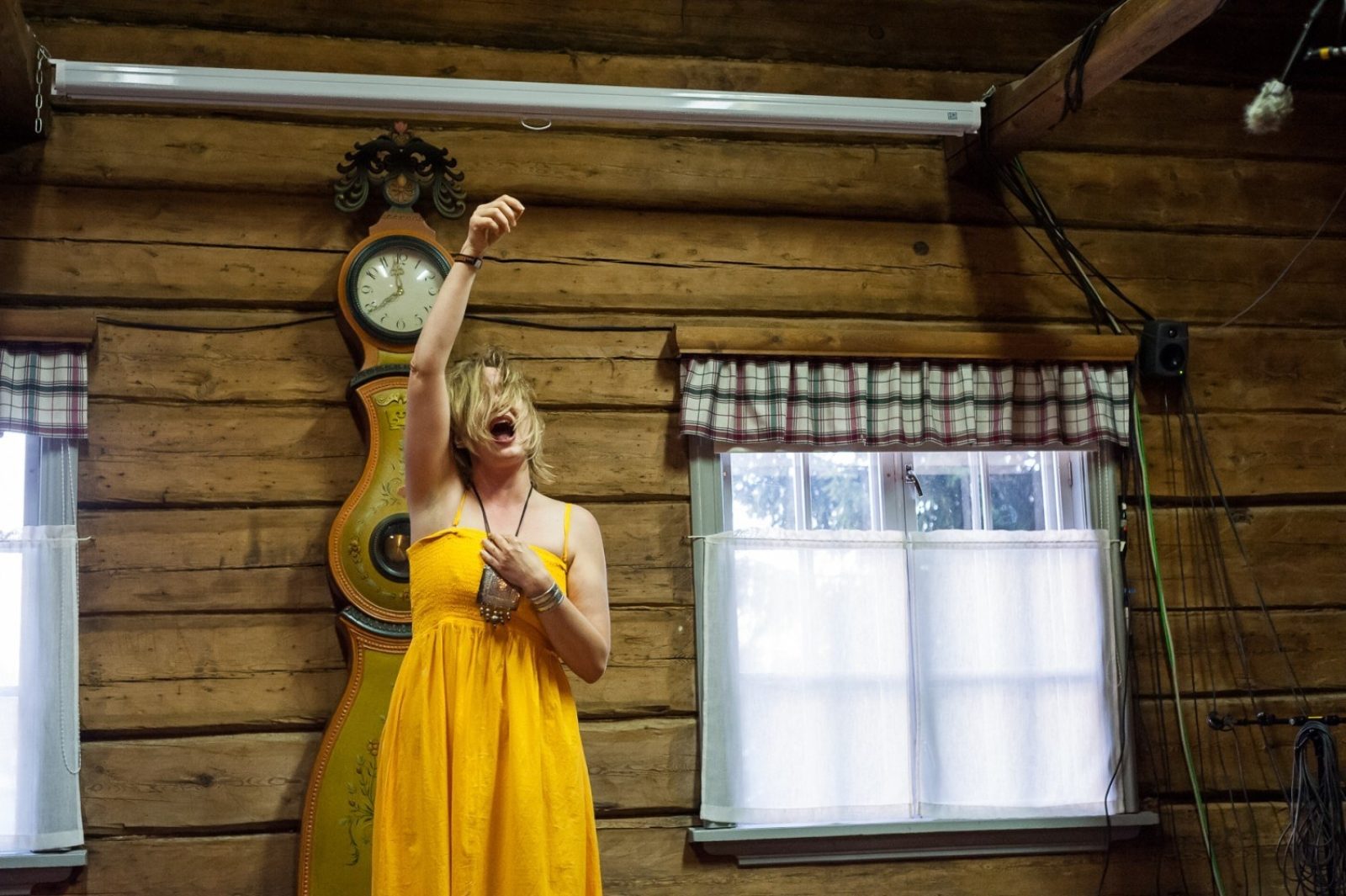
Alongside the ryijy nomination, work will begin on preparing a nomination for the Finnic runosong tradition to UNESCO’s list. Finland is pursuing the nomination in cooperation with Estonia. In Finland, the process is coordinated by the Runosong Academy and the Finnish Literature Society; in Estonia, by the Estonian Literary Museum and the Estonian Folklore Council. Nearly 50 partner organisations from both countries are involved. The nomination is intended to be submitted to UNESCO in March 2029.
Runosong is a centuries-old oral tradition of Finnic peoples that has been transmitted from generation to generation within Finnish-, Karelian-, Veps-, Seto- and Estonian-speaking communities. Today, it is practised by hundreds of singers, musicians, teachers, enthusiasts and researchers as part of a broad community. The tradition continues to be passed on within families, singing groups, schools, workshops and festivals, while new poems, melodies and forms of performance are constantly being created. For many communities, runosong is an important means of strengthening social cohesion, transmitting knowledge and expressing cultural identity.
The Finnish Heritage Agency is responsible for preparing the nominations
The Finnish Heritage Agency organised an open call from 19 May to 4 September 2026 and received ten proposals relating to different traditions from applicants and communities interested in participating in the nomination process. With the support of the Advisory Group of Intangible Cultural Heritage, the Agency proposed two new nominations to the Ministry of Education and Culture. Responsibility for preparing the nominations rests with the Finnish Heritage Agency in cooperation with the communities concerned.
Finland’s elements inscribed on UNESCO’s lists are the sauna culture in Finland (inscribed in 2020) and Kaustinen fiddle playing (2021). Finland also participates in multinational inscriptions, including Nordic clinker boat traditions (2021) and knowledge, craft and skills of handmade glass production (2023). The joint Finnish-Swedish nomination concerning the Torne River dipnet fishing tradition is currently under evaluation, and information on its inscription will be available in December 2027. Altogether, UNESCO’s mechanisms for safeguarding intangible cultural heritage currently include nearly 850 elements from 157 countries.