Research permits for ancient relics
Page content
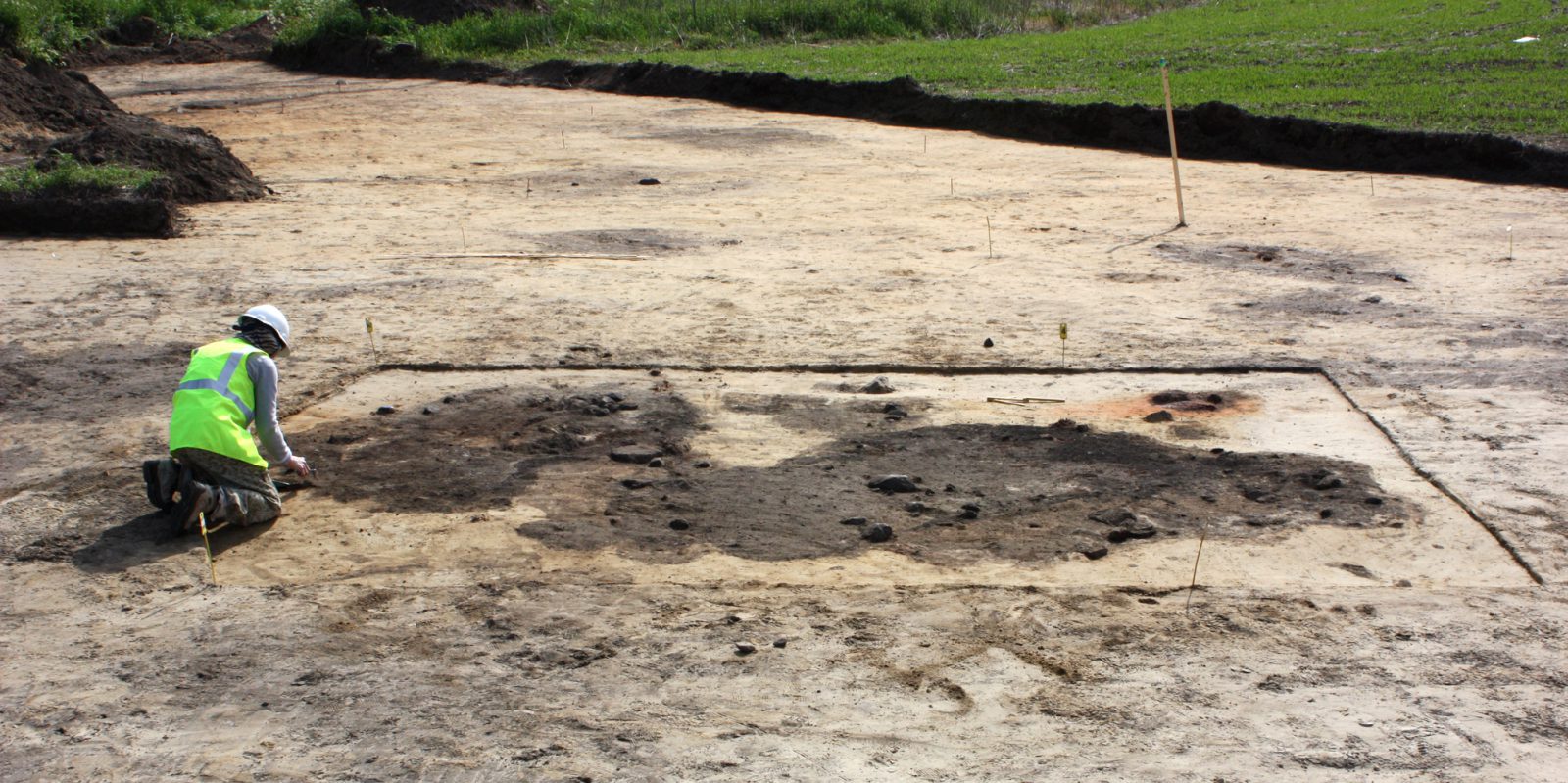
Under Section 10 of the Antiquities Act (295/1963), the Finnish Heritage Agency has the right to grant another operator a permit to conduct research on an ancient monument, under the conditions determined by the Agency. Use of any research methods that will interfere with an ancient monument always require a permit. It is the applicant’s responsibility to determine whether the activity interfering with an ancient monument requires other official permits.
The Finnish Heritage Agency may also grant a permit to examine or take samples of a ship’s wreck or part of it, subject to conditions determined by it.
Under section 18 of the Antiquities Act, the Finnish Heritage Agency may also grant a permit to examine a site where an ancient find has been made.
A precondition for granting a research permit is that the fieldwork director has sufficient archaeological training and fieldwork experience and that sufficient human and other resources have been allocated for carrying out the research work.
When planning archaeological exploration of other cultural heritage sites, it is advisable to notify the regional museums-in-charge. Preservation orders or other provisions concerning other cultural heritage sites may be imposed in regional, general and local detailed plans related to land use planning. These provisions shall be taken into account when planning research.
You can apply for a research permit in writing in the Finnish Heritage Agency’s Permit and Collections Service at asiointi.museovirasto.fi/en. The application must be submitted well in advance of the planned start date of the fieldwork.
When preparing a research permit application, you must familiarise yourself with the Quality instructions on archaeological fieldwork in Finland on the Finnish Heritage Agency’s website.
As a rule, research permit matters are processed within 30 days. In particular, when applying for a permit for large-scale, long-term or multi-site exploration, you must be prepared for a longer processing time. A large number of parties involved, for example, in the case of ancient monuments located in jointly owned water areas, may also extend the processing time of the application. The processing time covers the time from when the matter is initiated to issuing a decision.
The application is initiated when the applicant has paid a fee for a research permit in the Permit and Collections Service. If the application is incomplete, the Finnish Heritage Agency requests the application to be supplemented within a deadline given. If the application needs to be supplemented, this may extend the processing time of the permit matter.
When processing the permit application, the Finnish Heritage Agency reserves the party concerned an opportunity to express their opinion on the matter. When applying for a research permit, the party concerned is usually the party on whose property the research is to be carried out. When setting a deadline for hearing the opinion of a party concerned, account is taken of, for example, whether the party is already aware of the application and the project it refers to.
Permit applications are processed in the Cultural Environment Services department of the Finnish Heritage Agency.
Under the Decree issued by the Ministry of Education and Culture on the fees payable on the services provided by the Finnish Heritage Agency, a decision on a research permit is a chargeable performance under public law.
The Finnish Heritage Agency will charge a fee for the research permit in accordance with the decree in force at the time. The fee is charged when applying for a research permit. The fee is specific to the project/research permit.
The research permit fee is EUR 257 as of 1 January 2026.
Inquiries
For more information on applying for a permit to interfere and processing of the permit, please contact the service email arkeologinenkulttuuriperinto@museovirasto.fi.